
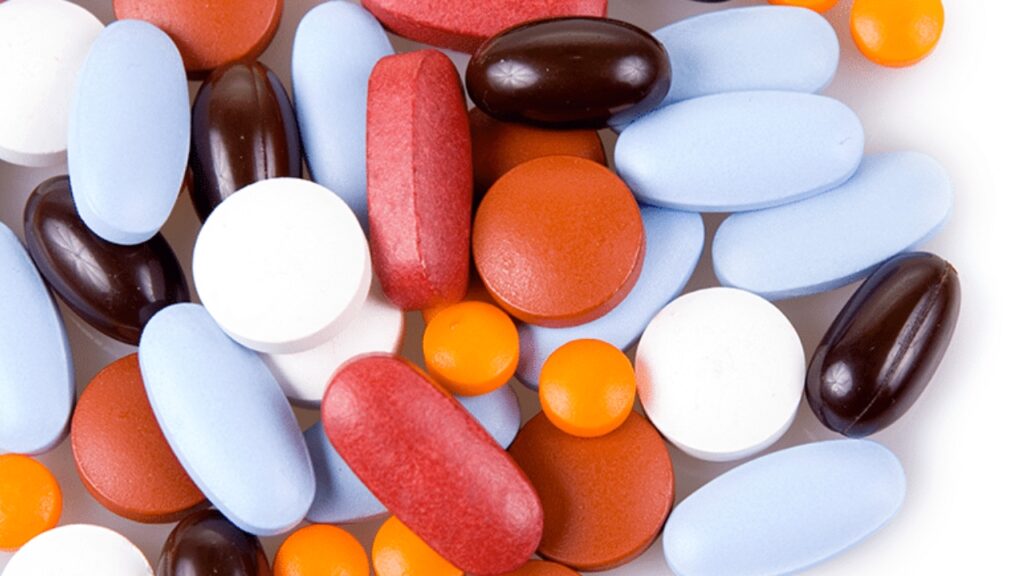
Somehow, we are all familiar with seeing capsules as the ideal dosage form for taking supplements.
But to record huge successes as a manufacturer of drugs or supplements, understanding the basics of capsule coating as a key to making good quality capsules will help you a great deal.
What Is Capsule Coating?

Capsule coating is a pharmaceutical process that describes the steps involved in ‘coating’ a ready capsule.
It’s simply putting, on the surface of the capsule, a protective or functional layer. Think of wearing a coat on the layer of clothing you already have. Now, that’s what capsule coating is about.
Capsule coating will lengthen how long the capsule can stay and still be viable. It masks unpleasant taste and makes the capsule more stable in different weather conditions.
Capsule coating ensures that the content of the capsule is released at your planned time.
The best thing? The capsule coat makes the capsule more visually appealing.
Types of Capsule Coatings Used in Manufacturing

When it comes to coating capsules, there are three major types of coatings: sugar, film, and enteric coatings. They are further explained below, too.
1. Sugar Coating
Sugar coating has been around for decades, so many people think of it as the longest existing coating type, and they are almost right. When you coat a capsule with sugar, you add layers and layers of sweet coating materials to the capsule.
After applying the sugar layers, you polish the formed coat to give the capsule more shine.
To have a better picture of what sugar coating does, think of bitter capsules hidden in sweet packaged gummies.
Often, manufacturers who use sugar coatings use them for over-the-counter drugs and supplements or in children’s drug formulations.
Pros
- Great for children as they look colorful and beautiful.
- They make the capsule stay viable for longer, as the several sugar layers are a good protectant against forces that can spoil the capsule’s content.
- They are great at hiding the odor and taste of the active pharmaceutical ingredient or other compound in the capsule formulation.
Cons
- Makes the capsule bigger, so it may be more difficult to swallow, especially for children or some people with smaller throats.
- It takes time to layer every layer of sugar on the capsule, and this can make the capsule more expensive.
- The extra layers delay the time of release of the main ingredient.
2. Film Coating
For film coating, a thin polymer sheath is sprayed on already-made formulated capsules with their shell materials intact. This sprayed polymer layer forms a smooth, shiny, and uniform coat on the capsule.
Pros
- The coating process is simple and needs fewer products, so they are cheaper than sugar coating.
- They dry quickly, so if you want, you can modify the capsules further to mask the taste and extend the release time of the active compound.
- Film-coated capsules are smaller and easier to swallow.
Cons
- Film coatings don’t look as pretty as sugar-coated capsules.
- They are not as stable as sugar-coated capsules, where several layers of sugar are used. So sometimes, you may notice cracks on the film.
- The equipment for film coating capsules is neither as available nor as cheap as the one used for sugar coating.
3. Enteric Coating
Enteric capsule coating is also called the gastro-resistant coating, as the stomach acid cannot remove the coating.
This is because enteric-coated capsules are made to resist the gastric acid in the stomach. This way, they only dissolve right when they get to the site of absorption– the intestines. The alkalinity of the intestines makes dissolution of the coating faster, too.
The essence of enteric capsule coating is to protect ingredients like probiotics, essential substances, enzymes, and so on. These ingredients are necessary for your body, yet they are easily destroyed by stomach acid.
With the enteric coat strategy, the active compounds can reach their target site in one piece.
The most common capsule coating materials used to make enteric capsules are cellulose acetate phthalate and hydroxypropyl methylcellulose phthalate.
Pros
- The capsule content has a better bioavailability as it wasn’t degraded by the stomach acid.
- It’s great for heat and acid-sensitive compounds like enzymes, hormones, and drugs.
- Substances coated like this are more likely to be absorbed at a higher rate compared to other types of capsule coating.
Cons
- The tough coat delays the time of release of the active ingredient.
- It’s the most expensive as it needs more equipment and ingredients to make the capsule coat.
Other types of capsule coatings include:
4. Gelatin Capsule Coating
Gelatin capsule coating is actually a modified form of film coating, and these days, it’s classified as a type of coating. Gelatin coatings are common in formulating softgel capsules.
The coat prevents the capsule content from spoiling quickly, and it gives the capsules a smoother texture, too.
Gelatin-coated capsules are easy to swallow as they don’t need several layers to mask the taste or odor of the capsule content.
The best thing about this coating type is that you can easily customize the color. Gelatin coatings are good for fat-soluble supplements.
5. Time-Dependent Release Coating
These are special coatings, and they work a bit like enteric capsule coats, as they are both delayed-release capsule coating forms. This time, however, they release the active drug ingredients slowly over time.
To make these kinds of capsules, manufacturers use polymers like ethylcellulose or methacrylic acid copolymers. These ingredients make the coat more resistant to denaturation in any environment, and it sustains the release of the drug with time.
6. Vitamin E Capsule Coating
Antioxidants, like vitamin E, are also a great option for coating some capsule supplements. With vitamin E coat (or other antioxidants), the capsule content can stay longer as the coat prevents oxidation of the capsule content.
Techniques and Machines Used in Capsule Coating

The techniques used for coating capsules are the same as the ones used to coat tablets. Only this time, the coated material is either a capsule or a tablet.
Common coating techniques other manufacturers use in their manufacturing plants are:
A. Pan Coating Technique
The pan coating technique is by far the most common as it’s easy to set up and use. Basically, the major setup of this technique consists of a round pan with the capsules you want to coat inside the pan.
This round pan rotates on a work table that looks like a bench. The machine, which contains the coating solution, sprays the solution on the capsules as the pan rotates. And the capsules, because of the rotations, dry faster, too, following a basic principle of physics.
This technique is easy to use, but the downside to using this pan coating technique is that you don’t have much room for coating a large batch of capsules at a time. Nevertheless, it works so well for sugar and film coatings.
B. Perforated Coating Technique
Like the pan coating technique, coating tablets and capsules with perforated pans is also common. When you look closely at the machine, you’d notice that the perforated coating machine has a perforated drum that rotates on an axis. As the drum rotates, some nozzles spray the coating solution on the tablets or capsules inside the drum; the solutions fall like sprinkling rain on soil.
The perforations on the drum make drying the capsules easier and faster. It makes the coating spread evenly on the capsule, so the technique is efficient and reliable.
Many perforated pan coating systems exist, and they include Glatt coater, Hi-coater, Accela-cota, and so on.
C. Fluidized Bed Coating Technique
This is also called the air suspension coating technique, as it works by suspending the capsules or tablets on an airflow chamber laid out like a fluid bed. As the capsules are suspended in this chamber, the machine sprays the coating solution on the capsules uniformly with many nozzles.
The layout of the airflow chamber is what ensures uniformity of capsule coat over all surfaces of the capsules. It also reduces the rate at which the capsule coats form clumps with other capsules.
Because of the specificity of the system, the fluidized bed coating technique is best for capsule coats that are made for slow release, like enteric capsule coating.
D. Vacuum Coating
For sensitive active compounds, the vacuum coating technique is preferred. This is because the technique coats capsules in a closed space with low pressure, like a vacuum. This low pressure ensures spraying of the coat solution and drying in a short time.
Factors That Affect Capsule Coating Quality

The factors that affect the end quality of your capsule coat include:
- Capsule surface: A smoother capsule surface ensures that the coating sticks better. When you have rougher capsule surfaces, you’ll get uneven coating results.
- Uniformity of capsule coat: Having uneven coats after coating affects the end appearance of the capsule.
- Nozzle release rate: If the nozzle spraying the capsule coating solution is uncontrolled, you’ll have uneven coats. Uneven capsule coats are more prone to cracks.
- Drying rate: Capsules that are not allowed to dry properly are more likely to have cracks or look tacky.
- Coating solution thickness: It’s more difficult to control the spray rate of thicker coating solutions than thinner ones. Also, thick coating solutions may spread unevenly.
- Airflow and temperature: The amount of airflow in the machine and the temperature directly affect the drying rate of the capsules. It also affects coat clumping during the coating process.
How to Choose the Capsule Coating Type to Use

When selecting the best capsule coat to use for your capsules, these tips will help you choose better.
- Consider the stability of the active ingredient. If it’s unstable, thin coats like film may not be the best.
- What release strength or profile do you hope to achieve? For slow-release forms, enteric coatings or time-release coatings would be a better choice.
- What type of patients are you formulating the capsule for? What are your patients needs? If you are formulating for children, then you must prioritize making visually appealing coats that can mask the taste and odor of the active ingredients well.
If your patient base consists mostly of vegans, a gelatin coating isn’t the best to use.
- Are there rules governing the coating of the active compound in your capsule? If there are, it’s best to stick to them.
Capsule Coating vs. Tablet Coating

The main differences between capsule and tablet coatings include:
| Capsule Coating | Tablet Coating |
| Capsule coatings only stick to a smooth capsule shell | Tablet coatings bind to a rigid, sometimes uneven surface |
| Capsules have a softer shell, so they need lower coating temperatures to avoid damaging the shells | Capsules don’t have shells, so high or low temperatures do not affect the tablet coating |
| Capsule coats can be dyed, but you don’t have too many options to reshape or brand coated capsules | Tablets are easier to shape and brand |
| The coat stops moisture from entering the capsule shell, improving the shelf life of the capsule | The main purpose of tablet coating is to mask taste and smell, and to improve color, not necessarily shelf life |
Conclusion

As a manufacturer, knowing the basics of capsule coating before you delve into producing capsules or capsule coats is essential for the success of your business. Once you understand the ropes of capsule coating, formulating capsules, and recording success will become a walk in the park for you.